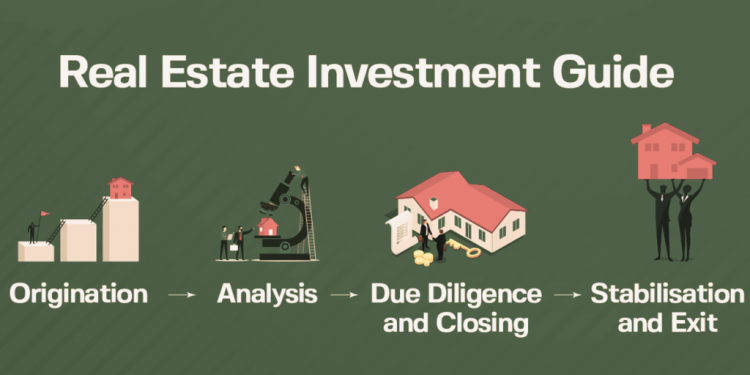
Evaluating industrial properties for investment is an important method that could determine the success or failure of your funding portfolio. This method involves analyzing different factors to ensure the assets will yield profitable returns and align with your funding goals. Here are a few complete steps and concerns for comparing industrial residences for funding:
1. Understand Your Investment Goals
Before diving into the belongings assessment, absolutely outline your funding goals. Are you looking for a lengthy-term capital appreciation, steady cash waft, or a combination of both? Your goals will affect the sort of property you put money into and the evaluation standards you prioritize.
2. Location Analysis

The vicinity of a business’s belongings is one of the most considerable factors influencing its cost and ability for earnings generation. Consider the subsequent aspects:
Economic Conditions: Evaluate the health of the nearby financial system, which includes employment fees, commercial enterprise boom, and monetary diversity. A sturdy neighborhood economic system shows a higher call for industrial spaces.
Demographics: Analyze the demographics of the area, including population increase, earnings ranges, and the goal marketplace for the commercial space.
Accessibility: Ensure the property is easily reachable by way of noteworthy roads and public transportation and has enough parking facilities.
Neighborhood Trends: Investigate the community’s development developments, zoning legal guidelines, and destiny infrastructure initiatives that could impact belongings cost.
3. Property Inspection
A thorough physical inspection of the belongings is crucial. Hire expert inspectors to assess:
Structural Integrity: Check the muse, roofing, plumbing, and electric systems for any defects or essential upkeep.
Compliance: Ensure the belongings comply with neighborhood construction codes, zoning laws, and safety policies.
Condition of Interiors and Exteriors: Assess the situation of both the indoor and outdoor spaces, which include common areas, landscaping, and parking facilities.
Potential for Renovations: Determine if the property wishes for renovations or improvements to attract tenants or shoppers.
4. Financial Analysis
Conduct an in-depth financial analysis to apprehend the assets’s profitability and funding potential. Key components encompass:
Net Operating Income (NOI): Calculate NOI by subtracting operating prices from gross condominium income. This determine shows the property’s ability to generate earnings before financing and taxes.
Cap Rate (Capitalization Rate): Determine the cap price by dividing NOI by the buy fee for the belongings. The cap charge enables the examination of the property’s go-back on funding and comparison with different houses.
Cash Flow: Analyze the coins float by using thinking about all profits resources (hire, parking prices, and so forth.) and subtracting all costs (loan, renovation, management charges, and so on.). Positive coins go with the flow, which is crucial for sustaining the investment.
Return on Investment (ROI): Calculate ROI by dividing the internet income by the overall investment value. This metric facilitates determining the profitability of the funding.
Debt Service Coverage Ratio (DSCR): Evaluate DSCR by dividing NOI by the total debt provider (mortgage bills). A DSCR above 1 indicates the property generates enough income to cover its debt obligations.
Five5Market Analysis
Understanding the broader market is critical for evaluating business assets:
Comparable Sales (Comps): Research the latest sales of similar homes within the vicinity to determine a fair market value.
Market Rents: Analyze modern-day market rents for comparable houses to assess the capability rental earnings.
Vacancy Rates: Examine the vicinity’s vacancy costs to gauge demand for industrial areas. High vacancy quotes can also suggest a saturated market.
Market Trends: Stay informed about marketplace developments, together with new tendencies, monetary shifts, and modifications in tenant calls.
6. Tenant Analysis
The first-class and stability of tenants can considerably impact a business asset’s performance:
Tenant Mix: Evaluate the range and compatibility of existing tenants. A nicely balanced tenant blend can reduce hazards and ensure constant earnings.
Lease Terms: Review lease agreements, focusing on lease duration, renewal alternatives, rent escalation clauses, and tenant responsibilities.
Creditworthiness: Assess the economic stability and creditworthiness of current and capable tenants. Reliable tenants lessen the chance of default and vacancy.
7. Legal and Regulatory Considerations
Ensure compliance with all legal and regulatory requirements:
Zoning Laws: Verify that the assets’ use complies with neighborhood zoning rules. Non-compliance can result in pricey prison troubles.
Environmental Regulations: Conduct environmental assessments to become aware of potential liabilities, which include contamination or risky materials.
Lease Agreements: Review hire agreements for criminal soundness, clarity, and enforceability.
8. Risk Assessment
Identify and mitigate capability dangers associated with the funding:
Market Risk: Analyze the risk of market fluctuations affecting asset cost and rental earnings.
Financial Risk: Consider interest rate modifications, financing terms, and the potential for cash drift shortfalls.
Tenant Risk: Assess the probability of tenant defaults and their effect on income stability.
Operational Risk: Evaluate the capability for operational problems, which include renovation issues or control inefficiencies.
9. Management and Operational Considerations
Effective property management is crucial for preserving and increasing belongings cost:
Property Management: Decide whether to manage the property yourself or hire an expert control enterprise. Professional management can provide knowledge and decrease operational burdens.
Maintenance and Repairs: Establish a renovation plan to ensure the property stays in precise condition and appealing to tenants.
Marketing: Develop an advertising method to draw and keep tenants, including online listings, local advertising, and networking.
10. Exit Strategy
Having a clean exit strategy is critical for maximizing returns and minimizing risks:
Holding Period: Determine your planned preserving period for the assets. This will impact your economic projections and funding decisions.
Sale vs. Refinance: Decide whether or not you intend to promote the belongings for an income or refinance to extract equity while keeping ownership.
Market Timing: Monitor marketplace situations to pick out the surest time for promoting or refinancing the property.
11. Due Diligence Process
The due diligence procedure is vital to uncovering any hidden issues or capability problems with the belongings. It includes:
Title Search: Conduct a name search to make sure there aren’t any liens, encumbrances, or felony disputes related to the assets.
Survey: Obtain an assets survey to confirm boundaries and identify any easements or encroachments.
Inspection Reports: Review all inspection reviews for structural, mechanical, and environmental tests.
Financial Records: Examine the property’s economic data, including earnings statements, rate reviews, and tax returns, to verify accuracy and consistency.
Legal Review: Have a legal expert review all documents, such as rentals, contracts, and regulatory compliance information.
12. Financing Options
Securing appropriate financing is essential for a successful commercial property investment. Consider the following:
Loan Types: Explore specific sorts of commercial real property loans, along with conventional bank loans, SBA loans, bridge loans, and mezzanine financing.
Interest Rates: Compare interest rates and mortgage terms from multiple creditors to steady the most favorable financing.
Loan-to-Value (LTV) Ratio: Understand the LTV ratio, which represents the loan amount as a percent of the belongings’ price. A decreased LTV ratio often affects higher loan terms.
Debt Coverage Ratio: Ensure the property’s NOI is sufficient to cover mortgage payments, as lenders generally require a minimum DSCR.
Conclusion
They are evaluating industrial houses for funding, which calls for a complete approach, combining economic analysis, marketplace research, property inspection, and hazard evaluation. By carefully considering each of these elements, traders could make informed choices that align with their investment goals and maximize the capability for worthwhile returns—always looking for professional advice and conducting thorough due diligence to make sure a successful investment in industrial actual property.