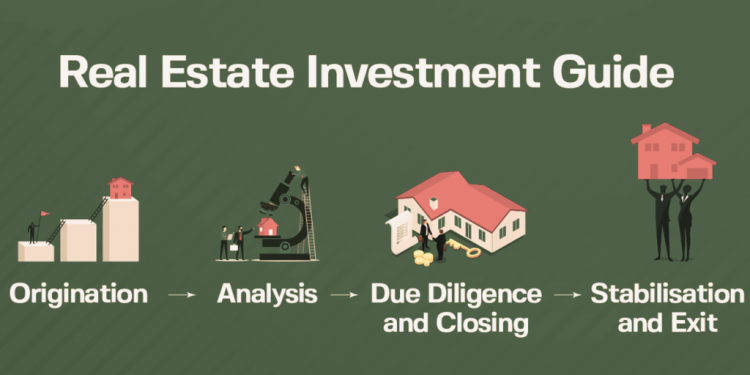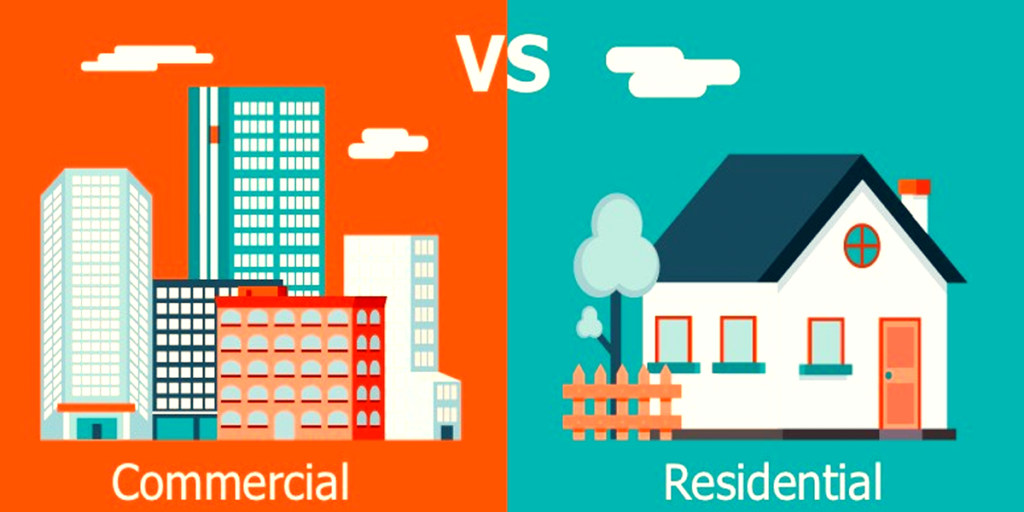
Real property investment gives diverse opportunities throughout commercial and residential sectors, providing unique blessings and demanding situations. Understanding the differences between industrial and home real property is crucial for buyers aiming to maximize returns even as coping with risks successfully.
Commercial Real Estate
Pros:
Higher Income Potential: Commercial homes usually generate higher condo earnings than residential homes due to longer lease phrases and the potential to deal with more than one tenant.


Longer Leases: Commercial rentals are frequently longer, offering more solid cash flow and decreasing emptiness risks compared to residential residences, in which leases are typically shorter.
Professional Relationships: Dealing with commercial tenants regularly involves agencies and experts, doubtlessly leading to more robust and predictable condominium profit streams.
Property Appreciation: Commercial houses in prime places can revel in significant appreciation, driven through economic development and infrastructure enhancements.
Diversification: Commercial actual estate allows for diversification throughout distinctive sectors, including retail, business, and hospitality, spreading hazard across numerous financial cycles.
Cons:
Higher Initial Costs: Purchasing and keeping industrial homes can require substantial initial capital and ongoing investment in upkeep and upgrades.
Market Sensitivity: Commercial actual property is more sensitive to economic cycles and marketplace situations, impacting occupancy prices and condo income all through downturns.
Tenant Risk: Depending on the type of commercial belongings, tenant turnover or default risks can be better, requiring rigorous tenant vetting and rent control.
Regulatory Complexity: Commercial rentals and belongings control often involve more complex criminal and regulatory necessities than residential properties.
Market Knowledge: Successful commercial actual property investment requires specialized information on marketplace trends, tenant wishes, and property control strategies.
Residential Real Estate
Pros:
Accessibility: Residential properties are generally extra handy to personal investors due to lower access expenses, financing alternatives, and smaller scale than industrial residences.
Stable Demand: Housing is a fundamental need, ensuring a regular demand for residential condominium residences irrespective of the monetary situation.
Easier Management: Residential homes require less extensive control than industrial residences, particularly while managing unmarried circles of relatives’ homes or small multifamily gadgets.
Appreciation Potential: Well-placed residential residences can be admired through the years, driven by neighborhood improvement and demographic trends.
Flexibility: Investors can select between short-term and lengthy-term leases, supplying flexibility in adjusting rental techniques primarily based on market situations.
Cons:
Lower Rental Yields: Residential properties usually yield lower apartment incomes than business residences, particularly when considering upkeep costs and vacancy charges.
Tenant Turnover: Residential properties may additionally revel in higher turnover rates, leading to more frequent durations of emptiness and turnover fees.
Regulatory Risks: Rental policies and tenant protections can vary extensively, posing demanding situations in assets control and landlord-tenant family members.
Maintenance Costs: Regular renovation and upkeep are frequent in residential houses, impacting standard profitability.
Market Saturation: Some residential markets may also become saturated with condo houses, affecting apartment charges and occupancy levels.
Strategic Considerations
Diversification Strategy: Investors aiming to diversify across asset lessons may locate business actual estate appealing because of its capacity to spread hazard throughout different sectors like office, retail, industrial, and hospitality. This diversification can mitigate the impact of economic downturns on particular sectors.
Risk Management: Understanding marketplace cycles and tenant dynamics is vital in real property business, where monetary fluctuations and tenant turnover can extensively affect cash glide. Residential real property, while more stable in call for, calls for cautious tenant selection and control to decrease vacancy and turnover risks.
Financial Planning: Financing options and capital necessities fluctuate between commercial and residential homes. Commercial real estate frequently requires significant premature investments and can involve complicated financing systems, whereas residential homes may be financed more conventionally with residential mortgages.
Market Analysis: Both industrial and home real estate investments benefit from thorough market analysis. Commercial traders should verify nearby financial trends, tenant demand, and infrastructure trends influencing asset values and rental incomes. When comparing investment opportunities, residential traders must consider demographic shifts, community stability, and rental market saturation.
Operational Considerations: Property management plays a critical position in each sector. Commercial homes typically require extensive control, including rent negotiations, belongings protection, and tenant relationships controlled with specialists or specialized corporations. Residential homes, even as typically much less worrying, require effective tenant management and protection of belongings to preserve profitability and tenant pride.
Commercial Real Estate (Additional Insights)
Sector Specificity: Specific sectors provide varying chance profiles and profit potentials within the industrial estate. For instance, office properties may also experience better emptiness dangers during monetary downturns than business residences, which often have longer-term rentals and solid tenant calls.
Lease Structuring: Commercial rentals may be structured with diverse phrases, which include triple internet rentals (wherein tenants pay for taxes, coverage, and protection expenses), that may shift some operational and protection duties to tenants, potentially decreasing landlord expenses and management overhead.
Market Dynamics: Understanding local market dynamics and monetary indicators is crucial in business real property. Factors including activity growth, infrastructure projects, and demographic traits can extensively impact property values and apartment earnings across one-of-a-kind industrial sectors.
Capital Expenditures: Commercial properties can also require significant capital expenses (CapEx) for renovations, enhancements, or tenant improvements to draw and keep tremendous tenants. Investors must factor those charges into their economic projections; cash goes with the flow analysis.
Residential Real Estate (Additional Insights)
Property Types: Residential actual estate encompasses diverse kinds of belongings, along with unmarried-owned family homes, multifamily devices, condominiums, and townhouses. Each type provides funding possibilities and management concerns, including tenant preferences and community dynamics.
Tenant Relationships: Building amicable tenant relationships in residential real estate can lead to longer occupancy durations, reduced turnover costs, and better condo yields. Providing responsive property protection and amenities can decorate tenant delight and retention fees.
Local Regulations: Residential landlords should navigate local condominium rules, tenant rights legal guidelines, and property upkeep standards, which could range extensively across areas. Staying informed about regulatory adjustments and compliance necessities is essential for mitigating legal risks.
Market Timing: Timing is vital in residential actual estate funding, mainly in cyclical markets. Investors may also benefit from buying residences at some stage during favorable pricing or marketplace downturns, leveraging ability appreciation as markets get better.
Conclusion
Choosing between commercial and home real property depends on funding dreams, danger tolerance, and marketplace conditions. Commercial residences offer better profit capability and diversification but require more significant initial investment and market expertise. Residential homes, while more excellent, accessible, and stable, can yield lower returns and require careful control of tenant turnover and regulatory dangers. Successful real estate buyers often stabilize stability elements to build portfolios that align with their financial goals and threat appetite.