Introduction:
In a cutting-edge, dynamic economic panorama, the significance of monetary literacy can’t be overstated. As families navigate the intricacies of handling their price range, instilling sound budgeting practices in youngsters from a young age lays the groundwork for their destiny financial success. Teaching youngsters about budgeting now effectively imparts sensible skills and fosters accountable attitudes closer to cash management. This essay delves into the importance of family finance training and explores powerful strategies for teaching children about budgeting.
The Importance of Financial Literacy:
Financial literacy is vital for effectively navigating lifestyles and financially demanding situations. Unfortunately, many adults lack simple monetary understanding, which is central to terrible monetary choices and economic instability.
Effective Strategies for Teaching Kids About Budgeting:
Lead through Example: Children learn excellently by observing their parents’ behaviours and demonstrating accountable economic practices, including budgeting, saving, and wise spending; this is a superb instance for children to emulate.
Start Early: Introduce primary financial principles as quickly as children can know cash. Use ordinary situations, which include grocery buying or saving for a toy, to educate children about budgeting and decision-making.
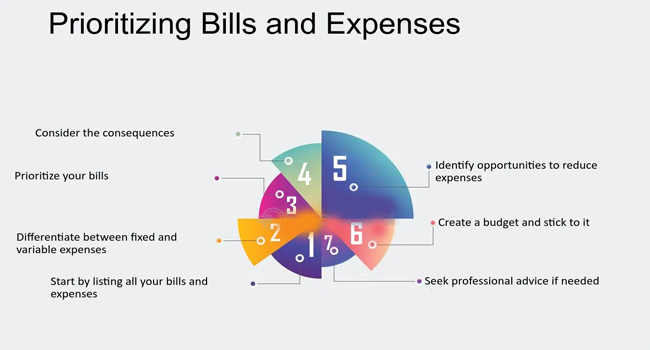

Make it Practical: Engage youngsters in real-existence budgeting sporting activities tailor-made to their age and information. Assign them a portion of their allowance or earnings to manage independently, encouraging them to prioritize spending, shop for dreams, and tune their fees.
Set Clear Goals: Help kids set up precise monetary desires and create a budgeting plan to reap them. Whether saving for a toy, investing in a college journey, or setting aside cash for college, goal-orientated budgeting instils an experience of purpose and motivation in youngsters.
Encourage Saving: Instill the dependence on saving by introducing principles and preserving jars or piggy banks. Allocate a part of a kid’s earnings in financial savings, emphasizing the significance of building a monetary protection net for the future.
Foster Open Communication: Create supportive surroundings where youngsters feel comfortable discussing financial matters and asking questions. Encourage open speaking about budgeting, spending decisions, and monetary desires, fostering a wholesome mindset closer to cash management.
Provide Opportunities for Decision-Making: Empower youngsters to make financial decisions in managed surroundings. Allow them to choose between spending alternatives, examine exchange-offs, and revel in the results of their selections, facilitating experiential getting to know.
Utilize Technology: Leverage age-appropriate economic apps and online assets to supplement traditional teaching strategies. Interactive gear and games could make learning about budgeting fun and engaging for youngsters, reinforcing essential standards in an accessible format.
Incorporate Real-World Experiences: Take benefit of regular possibilities to enhance budgeting talents. Involve youngsters in household price range discussions, shopping journeys, and invoice payments, providing realistic insights into coping with price ranges within the globe.
Celebrate Milestones: Recognize and have a good time children’s development in gaining knowledge of budgeting skills. Whether reaching savings desires, making prudent spending decisions, or demonstrating economic duty, they are renowned for their achievements and for enhancing beautiful behaviours.
Importance of Family Finance Education:
Financial Independence: Teaching youngsters about budgeting fosters an experience of independence and self-reliance. By knowing how to control their money accurately, kids learn to make informed decisions and take obligations for their financial well-being.
Long-Term Financial Security: Early monetary schooling inspires lengthy-term financial security. By instilling proper financial behaviour and attitudes from a younger age, kids are more geared to handle economic challenges and construct a stable destiny.
Avoidance of Debt and Financial Pitfalls: A robust understanding of budgeting helps youngsters avoid unusual financial pitfalls, such as overspending, debt accumulation, and impulse buying. By learning to live within their approach and prioritize their spending, youngsters can avoid economic pressure and worry about the future.
Economic Empowerment: Financial literacy empowers children to participate actively in the economic system and contribute significantly to society. By understanding ideas consisting of saving, investing, and budgeting, youngsters can leverage their monetary know-how to pursue their desires and aspirations.
Breaking the Cycle of Poverty: Financial education can break the cycle of poverty by equipping youngsters with the abilities and knowledge they need to attain economic stability. By coaching youngsters to manage their cash correctly, families can assist them in conquering financial barriers and constructing a brighter future for themselves and future generations.
Effective Strategies for Teaching Kids About Budgeting:
Age-Appropriate Learning: Tailor monetary education to kid’s age and developmental level. Younger children may benefit from easy activities, including sorting coins or gambling money-related games, while older youngsters can interact in extra complex budgeting exercises.
Hands-On Experience: Provide children with opportunities to exercise budgeting in real-lifestyle eventualities. Allow them to manage a portion of their allowance or profits, set financial savings dreams, and make spending selections inside a predetermined price range.
Reinforcement Through Repetition: Reinforce budgeting skills via everyday practice and repetition. Encourage kids to revisit their finances often, track their spending, and adjust their economic plan as wished.
Positive Reinforcement: Acknowledge and have a reasonable time with children’s efforts and achievements in learning budgeting skills. Positive reinforcement facilitates enhanced correct economic conduct and motivates children to maintain training and accountable cash control.
Practical Application: Integrate budgeting classes into regular activities and experiences. Use grocery purchasing journeys, own family holidays, or household prices as teachable moments to discuss budgeting principles and decision-making.
Open Communication: Create a supportive environment wherein children experience snug discussing monetary matters and asking questions. Encourage available communication regarding budgeting, saving, and spending, and deal with any worries or misconceptions they may have.
Lead via Example: Serve as a role model for accountable monetary conduct. Demonstrate precise cash management practices, budgeting, saving, and avoiding unnecessary debt to set an excellent instance for your youngsters to comply with.
Encourage Goal Setting: Help kids set realistic financial goals and expand a plan to gain them. Whether saving for a new toy, a college education, or a family vacation, goal-orientated budgeting allows kids to apprehend the fee of making plans and endurance.
Conclusion:
Teaching kids about budgeting is an investment in their destiny and financial well-being. By instilling sound financial habits and attitudes from a young age, parents can empower their kids to navigate the complexities of private finance. Through practical guidance, open conversation, and arms-on studies, households can domesticate a generation of financially literate people capable of making knowledgeable choices and achieving their financial goals. As stewards of the day after today’s economic system, we must equip our youngsters with the gear they want to thrive in an increasingly more complex financial panorama.