Introduction
Digital transformation refers to combining virtual technology into all elements of enterprise operations, essentially changing how agencies perform and supply prices to clients. These technologies drive significant adjustments in production processes, supply chain control and operational efficiency.
The Need for Digital Transformation
Customer Expectations
Modern customers expect excellent, custom-designed products to be introduced quickly. Digital technology permits producers to fulfil those expectations by streamlining production procedures, enhancing product layout, and allowing real-time verbal exchange with customers. This results in more consumer pride and loyalty.
Operational Efficiency
Manufacturing operations are complex and require particular coordination. Digital transformation helps streamline those techniques via automation, predictive preservation, and actual-time tracking. This results in reduced downtime, optimized resource usage, and more substantial productiveness.
Key Technologies Driving Digital Transformation
Internet of Things (IoT)
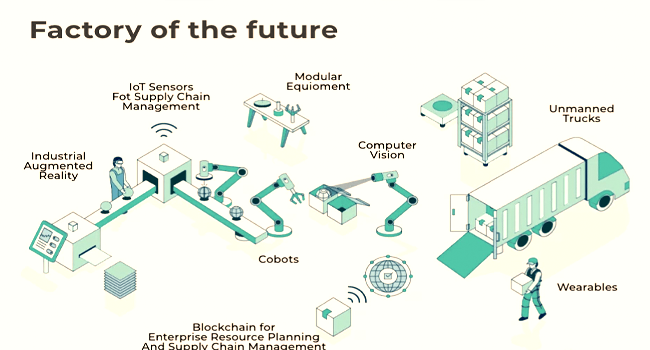
IoT includes connecting physical devices to the Internet, enabling them to acquire and exchange statistics. IoT gadgets can display system performance, track inventory levels, and manage supply chains in production. This real-time data series and evaluation assist in making informed decisions, improving operational performance, and reducing expenses.
Artificial Intelligence (AI) and Machine Learning
AI and device learning algorithms examine vast statistics to identify patterns and make predictions. These technologies can optimize manufacturing schedules, expect device screw-ups, and decorate first-rate control. AI-pushed automation additionally reduces human error and will increase productivity.
Robotics and Automation
Robotic systems automate repetitive and dangerous obligations, increasing efficiency and protection in manufacturing. Advanced robotics can carry out complex responsibilities precisely, leading to better product satisfaction and consistency. Automation also allows producers to scale operations and meet increasing demands without drastically increasing complex work fees.
Big Data Analytics
Extensive statistics analytics involves processing and studying large amounts of data to extract precious insights. In manufacturing, it allows for understanding production trends, figuring out inefficiencies, and predicting what destiny calls for. These insights enable producers to make information-driven choices and optimize their operations.
Cloud Computing
Cloud computing provides scalable and flexible storage and computing resources over the Internet. Manufacturers can leverage cloud-based systems for information garages, software packages, and collaboration equipment. This reduces the need for on-premises infrastructure, lowers fees, and enhances operational agility.
Impact of Digital Transformation on Manufacturing Processes
Production Efficiency
Digital transformation enhances production efficiency by automating procedures, lowering guide intervention, and optimizing resource usage. IoT devices and AI-driven analytics provide actual-time insights into manufacturing overall performance, allowing producers to become aware of bottlenecks and implement corrective actions.
Quality Control
Advanced technology, such as AI and gadget mastering, enhances satisfactory manipulation by detecting defects and anomalies in real-time. Automated inspection structures can analyze product photos, measurements, and other parameters to ensure that merchandise meets pleasant requirements. This reduces the risk of faulty merchandise reaching clients and enhances ordinary product quality.
Supply Chain Management
Digital transformation streamlines delivery chain control by providing stop-to-give-up visibility and actual-time tracking of inventory, shipments, and provider performance. IoT-enabled sensors and RFID tags monitor goods’ motion, while AI algorithms optimize inventory levels and anticipate demand fluctuations.
Maintenance and Asset Management
Predictive upkeep uses IoT sensors and AI algorithms to display system fitness and anticipate capability screw-ups before they arise. This proactive technique minimizes unplanned downtime, extends machinery’s lifespan, and reduces upkeep prices. Digital asset control structures music system performance and maintenance history, ensuring superior property usage.
Challenges of Digital Transformation
Legacy Systems
Many manufacturing companies operate with legacy systems that must be better matched with modern virtual technologies. Integrating new technology with previous infrastructure can be complicated and steeply-priced. Manufacturers must invest in upgrading their systems and ensuring seamless integration to fully leverage virtual transformation’s blessings.
Cybersecurity Risks
As producers adopt more connected gadgets and digital structures, they become increasingly at risk of cyberattacks. Protecting touchy records and making sure the security of digital infrastructure is vital. Manufacturers should enforce robust cybersecurity measures and encryption, get the right of entry to controls, and do everyday safety audits to shield their operations.
Skills Gap
The adoption of advanced technologies requires personnel with specialized abilities in areas consisting of information analytics, AI, and cybersecurity. However, there is often a capabilities hole inside the manufacturing enterprise. Companies need to put money into schooling and improvement programs to equip their employees with the essential capabilities for the digital age.
Change Management
Digital transformation includes considerable modifications in approaches, technology, and organizational subculture. Resistance to change can avoid the successful implementation of virtual tasks. Effective exchange management strategies, such as clean communique, employee involvement, and leadership assistance, are crucial to conquering resistance and ensuring an easy transition.
Case Studies of Successful Digital Transformation
Siemens
A global chief in commercial manufacturing, Siemens has embraced digital transformation to decorate its operations. The agency leverages IoT, AI, and massive facts analytics to optimize production strategies and improve product satisfaction. Siemens Digital Enterprise Suite integrates virtual technologies throughout the fee chain, permitting seamless collaboration and facts-pushed choice-making.
General Electric (GE)
GE has applied digital transformation tasks to revolutionize its production strategies. The enterprise’s Brilliant Manufacturing suite uses IoT and AI to attach machines, examine statistics, and optimize manufacturing. GE’s virtual dual generation creates digital replicas of bodily belongings, allowing real-time monitoring and predictive maintenance. These initiatives have ended in accelerated productivity and reduced operational prices.
Bosch
Bosch, a leading worldwide dealer of generation and offerings, has converted its manufacturing operations thru digitalization. The agency utilizes IoT sensors, AI, and cloud computing to monitor and analyze production methods. Bosch’s Industry 4. Zero solutions permit real-time facts trade and predictive renovation, improving efficiency and decreasing downtime. The corporation also specializes in worker schooling to bridge the skills gap and ensure a successful virtual transformation.
Conclusion
Digital transformation is reshaping the production industry, riding good-sized improvements in productivity, efficiency, and product refinement. Advanced technology, which consists of IoT, AI, robotics, extensive information analytics, and cloud computing, is revolutionizing production procedures, supply chain control, and preservation practices. While there are challenges to conquer, including legacy structures, cybersecurity risks, abilities gaps, and change control, the blessings of digital transformation far outweigh the obstacles. By embracing digitalization, manufacturers can stay aggressive, meet client expectations, and thrive in the rapidly evolving digital age.