Introduction
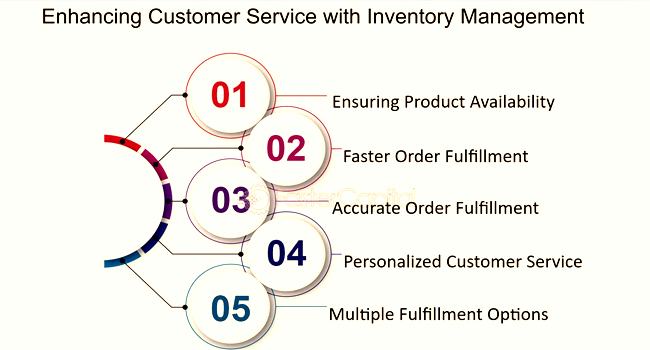
In an ultramodern, rapid-paced retail environment, client delight hinges significantly on product availability. Connected stock structures, which combine real-time information throughout various channels, offer a pivotal answer for improving client experience by ensuring that products are available when and where customers need them. This paper explores how related stock can be leveraged to enhance customer support and satisfaction.
Understanding Connected Inventory
Definition and Components
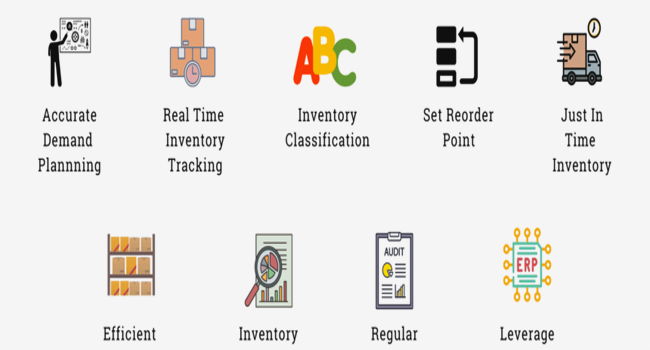
Connected stock integrates inventory facts throughout multiple structures, including online, physical retail locations, and distribution centers.
Importance in Modern Retail
A related inventory machine is crucial when customers expect immediate gratification. It allows shops to hold up with calls for fluctuations, save you stockouts, and minimize extra inventory. This balance is essential for maintaining purchaser loyalty and optimizing operational efficiency.
Enhancing Customer Experience Through Connected Inventory
Real-Time Stock Availability
Instant Access to Inventory Data
Real-time inventory control permits customers to see cutting-edge inventory ranges from the store’s website or app without delay. This transparency builds consideration and reduces frustration related to out-of-stock items.
Efficient Order Fulfillment
Connected inventory structures streamline order fulfillment by ensuring that orders are sourced from the most appropriate location. Whether the product is distributed from a distribution center or a nearby store, clients receive their orders quicker, improving their general shopping experience.
Personalization and Customization
Tailored Recommendations
With access to comprehensive stock information, stores can offer personalized product suggestions based on current inventory stages and purchaser possibilities. This improves the shopping experience and increases the probability of additional purchases.
Customized Offers
Connected stock lets in-stores create custom-designed promotions and discounts based on stock availability. For instance, if a specific product is overstocked, targeted reductions can be provided to clients with proven hobbies in similar gadgets, thereby moving inventory while gratifying consumer desires.
Omnichannel Shopping Experience
Seamless Integration Across Channels
A linked inventory gadget helps ensure an uninterrupted omnichannel shopping experience, allowing clients to switch between online and offline channels. They can check product availabilityresearchnliitems for in-store pickup or online hashes at physical shops. This flexibility complements comfort and pride.
Consistent Pricing and Promotions
Every other advantage of linked stock is consistency in pricing and promotions throughout all channels. Customers expect identical charges and offers whether they shop online or in-store. By synchronizing inventory records, outlets can ensure that promotions and pricing are uniform, stopping confusion and sadness.
Technological Enablers of Connected Inventory
Internet of Things (IoT)
Real-Time Tracking
IoT devices, including clever shelves and RFID tags, enable actual-time stock monitoring. This technology offers accurate, up-to-the-minute statistics on stock degrees, helping outlets manipulate inventory more successfully and respond hastily to adjustments in demand.
Predictive Analytics
IoT additionally facilitates predictive analytics by collecting and reading statistics on stock movement. Retailers can anticipate traits and regulate their inventory ranges proactively, lowering the threat of stockouts and overstock conditions.
Cloud Computing
Scalability
The scalability of cloud solutions allows shops to amplify their stock management skills as their commercial enterprise grows. They can integrate new stores, warehouses, and online channels into their related inventory system without significant infrastructure modifications.
Advanced Analytics and AI
Demand Forecasting
Advanced analytics and synthetic intelligence (AI) are essential in demand forecasting. By studying ancient sales records, marketplace tendencies, and purchaser conduct, AI algorithms can expect future calls with excessive accuracy. This perception allows shops to maintain the most effective inventory stages.
Inventory Optimization
AI-pushed inventory optimization tools can automate reordering procedures, ensuring inventory levels are maintained within the proper variety. These equipment recall factors, such as lead instances, seasonal variations, and sales pace, prevent stockouts and excess stock.
Benefits of Connected Inventory for Retailers
Improved Operational Efficiency
Streamlined Supply Chain
A connected stock device streamlines the complete supply chain, from procurement to delivery. By synchronizing inventory facts, stores can reduce lead instances, decrease errors, and lower operational fees. This efficiency translates into better client service.
Reduced Holding Costs
By preserving gold standard stock degrees, retailers can appreciably reduce prices. This includes costs associated with warehousing, insurance, and obsolescence. Lower conserving fees unfastened up capital that may be reinvested in different regions of the commercial enterprise, consisting of customer service and marketing.
Enhanced Customer Loyalty
Reliable Stock Availability
Reliable inventory availability is a critical element of purchaser loyalty. When customers can continuously find the goods they want, they’re more likely to return to the same retailer. Connected inventory systems ensure that products are available when and where clients need them.
Positive Shopping Experience
A practical buying revel, facilitated via related stock, encourages repeat commercial enterprise and phrase-of-mouth referrals. Satisfied clients are more likely to advocate the store to buddies and circle of relatives, expanding the retailer’s customer base.
Competitive Advantage
Differentiation from Competitors
Retailers that invest in linked inventory structures can differentiate themselves from the competition by presenting superior providers. Features such as actual-time inventory visibility, personalized suggestions, and seamless omnichannel experiences set them aside in a crowded market.
Faster Response to Market Changes
Connected stock enables shops to respond quickly to market modifications and emerging trends. This agility is essential in a dynamic retail landscape, permitting outlets to capitalize on new possibilities and stay ahead of the competition.
Challenges in Implementing Connected Inventory
Integration with Existing Systems
Legacy System Compatibility
One of the primary challenges in implementing related inventory is integrating new technology with present legacy systems. Many stores operate on outdated structures that might need modern inventory control answers. This calls for careful planning and investment in gadget enhancements.
Data Silos
Data silos, wherein facts are isolated within special departments or systems, can hinder the effectiveness of related inventory. Breaking down these silos and making sure seamless facts go with the flow across the corporation is vital for a hit implementation.
Cost Considerations
Initial Investment
Implementing a linked inventory device requires a significant initial investment in generation, infrastructure, and training. Retailers should weigh these expenses against the long-term advantages of stepped-forward stock control and purchaser pride.
Conclusion
Connected inventory structures are transforming the retail panorama by improving customer experience through improved inventory availability, personalized buying studies, and seamless omnichannel integration. While implementing those structures offers demanding situations, the lengthy-term benefits for each shop and shopper acustomericant. As the era continues to adapt, the connected stock will play an increasing number of essential roles in meeting modern clients’ demands and keeping aggressive benefits in the retail industry.