Introduction:
In a state-of-the-art, client-driven society, debt has become omnipresent for many people and families. Whether it is scholar loans, credit score card debt, or mortgages, the burden of owing money can weigh heavily on one’s financial well-being. However, amid this sea of economic challenges, a beacon of hope exists: budgeting. By adopting disciplined budgeting practices, individuals can transition from the red area of debt to the black region of financial stability and prosperity. This essay delves into the significance of budgeting as a device for debt discount, exploring its principles, techniques, and real-life applications.
Understanding Debt and Its Implications:
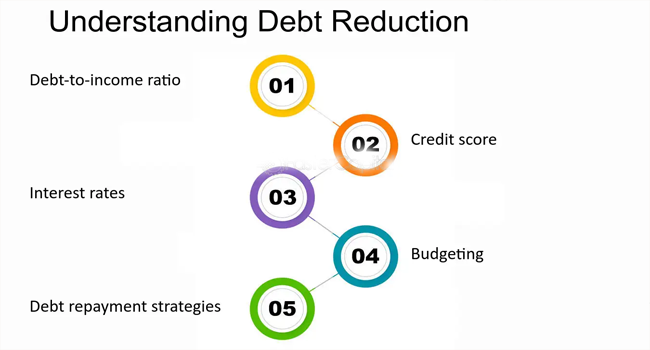
Before delving into the budgeting mechanisms for debt reduction, it is essential to understand the nature and implications of debt. In its only shape, debt is money borrowed with the promise of compensation, commonly with interest. While some varieties of debt, including mortgages, may be considered investments in a property like actual estate, others, like credit score card debt, often result from excessive spending past one’s approach.

The ramifications of debt amplify beyond mere financial constraints. High debt degrees can cause pressure, tension, or even deteriorating intellectual and bodily fitness. Moreover, it constrains one’s ability to spend money on long-term dreams, including education, homeownership, or retirement savings. Thus, finding powerful strategies to relieve debt is paramount for achieving monetary freedom and safety.
The Role of Budgeting in Debt Reduction:
Budgeting is a foundational tool for managing personal finances, enabling people to allocate their income successfully, prioritize fees, and track their spending conduct. Budgeting plays a pivotal role in debt reduction by supplying a dependent framework for figuring out regions of overspending, curbing needless expenses, and channeling the budget toward debt compensation.
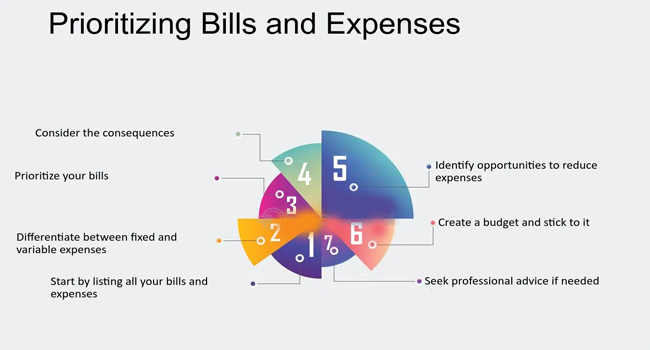
Budgeting entails growing a detailed plan that outlines income sources, fixed expenses (which includes rent or mortgage payments), variable prices (along with groceries and leisure), and debt obligations. By meticulously monitoring these additives, people benefit from insight into their financial panorama and may make knowledgeable choices to optimize their sources.
Principles of Effective Budgeting for Debt Reduction:
Several standards underpin effective budgeting for debt discounts:
Goal Setting: Establish clear and conceivable goals for debt discount. Whether it’s paying off a credit score card balance, pupil loans, or a mortgage, setting unique objectives provides an experience of direction and motivation.
Prioritization: Identify excessive hobby debts or people with the most extensive economic burden and prioritize them for reimbursement. By tackling the money owed first, people can decrease interest prices and boost their journey to debt freedom.
Expense Tracking: Monitor daily costs diligently to discover areas of overspending or discretionary spending that can be trimmed. Utilize budgeting gear, apps, or spreadsheets to report transactions and categorize prices.
Living Within Means: Adjust way of life selections to align with earnings degrees. Avoid the temptation of way-of-life inflation, wherein accelerated profits end in better spending, perpetuating the cycle of debt.
Emergency Fund: Allocate a part of profits toward building an emergency fund to cover surprising prices without resorting to additional borrowing. Having a financial buffer can save you from debt accumulation during emergencies.
Debt Snowball vs. Debt Avalanche: Choose between
Famous debt reimbursement techniques include the debt snowball approach, which prioritizes paying off minor money owed first for psychological wins, and the debt avalanche technique, which makes a specialty of money owed with the best hobby prices to limit typical hobby fees. Select the approach that quality aligns with private options and economic situations.
Strategies for Implementing Budgeting for Debt Reduction:
Budgeting for debt discounts requires a combination of area, perseverance, and strategic planning. Several techniques can facilitate this manner:
Create a Budgeting Plan: Begin by outlining a complete budget plan encompassing all sources of profits, fixed prices, variable prices, and debt obligations. Use budgeting equipment or templates to streamline the process.
Identify Areas for Savings: Analyze spending styles to identify areas where prices can be reduced or eliminated. This might also involve cutting back on discretionary spending, including dining out, entertainment, or subscription offerings.
Negotiate Lower Interest Rates: Contact lenders to barter decrease interest costs or discover balance switch options to consolidate excessive interest money owed onto a single, decrease-hobby account. Lowering interest fees can accelerate debt repayment and shop cash on hobby prices.
Automate Savings and Debt Payments: Set up automated transfers from your paycheck to savings debts or closer to debt payments. Automation guarantees consistency and removes the temptation to spend a budget earmarked for savings or debt reimbursement.
Track Progress Regularly: Monitor development toward debt reduction desires regularly and regulate the finances as wished. Celebrate milestones alongside the manner to live motivated and committed to the adventure.
Real-Life Applications of Budgeting for Debt Reduction:
The effectiveness of budgeting for debt discount is apparent in several actual-existence situations:
Case Study: Sarah’s Debt-Free Journey: Sarah, a recent university graduate, observed herself stressed with student loan debt and credit card balances. By meticulously budgeting her earnings and fees, Sarah diagnosed regions where she may want to cut back on spending, including eating out and impulse purchases. She allocated some of her earnings towards debt compensation, prioritizing high-hobby money owed first. Through subject and perseverance, Sarah paid off her money owed within three years, accomplishing economic freedom and peace of thoughts.
Family Budgeting Success: The Smith family struggled with mounting credit card debt and mortgage bills, which were central to financial stress and strained relationships. Implementing a complete budgeting plan, the family trimmed needless expenses, renegotiated mortgage phrases to decrease month-to-month bills, and consolidated high-interest money owed. The Smiths steadily paid off their money owed and reclaimed their claimed other’s balances by adhering to their budgeting goals and supporting each parent’s efforts.
Entrepreneurial Debt Management: Aspiring entrepreneur Alex launched into a commercial enterprise venture, counting on loans and credit playing cards to finance startup charges. However, mounting debt threatened the viability of the enterprise. Through meticulous budgeting and monetary planning, Alex optimized business prices, multiplied revenue streams, and applied a debt compensation strategy. By aligning private and commercial enterprise price ranges and adhering to disciplined finances, Alex correctly navigated the demanding situations, eventually achieving profitability and debt-free popularity.
Budgeting for Unexpected Events: Layla, a single mom, confronted unexpected scientific charges while her son required surgical treatment. Despite modest profits, Layla had managed to construct an emergency fund via disciplined budgeting. This fund provided a financial cushion, allowing Layla to cover her medical expenses without resorting to extra borrowing or gathering debt. The incident highlighted the significance of budgeting for unexpected occasions and having a monetary safety internet.
Student Loan Repayment Strategy: Mark, a recent graduate burdened with student loan debt, struggled to make ends meet while working entry-stage jobs. Through budgeting, Mark devised a repayment strategy that concerned residing frugally, allocating a massive part of his income toward mortgage bills, and looking for additional income resources through freelance work. Despite going through economically demanding situations, Mark remained steadfast in his dedication to debt discounts, and in the long run, he paid off his pupil loans ahead of agenda.
Conclusion:
Budgeting is a powerful tool for debt discount, permitting individuals to regain management of their price range, prioritize debt reimbursement, and work toward economic freedom. By adhering to budgeting principles, imposing strategic strategies, and tracking Progress diligently, individuals can transition from the pink region of debt to the black area of economic stability and prosperity. Whether through private, family, or entrepreneurial budgeting, the journey from red to black is achievable with area, perseverance, and a commitment to financial well-being.