Introduction:
Frugal living is a way of life that emphasizes prudent spending and resourcefulness. In its middle, it is about making intentional picks along with your budget to maximize price while minimizing waste. A vital tool in achieving frugal living is a well-crafted budget. This comprehensive guide will discover the concepts of frugal residing and provide practical pointers on creating a price range that aligns with this mindset.
Understanding Frugal Living:
Frugal residing isn’t about deprivation; it is prioritizing what indeed topics to you and optimizing your spending accordingly. It includes being conscious of your charges and looking to reduce prices without sacrificing satisfactory lifestyles. Frugal people regularly cognizance of necessities, dispose of pointless prices and embrace DIY answers and thriftiness.
Critical Principles of Frugal Living:
Prioritizing Needs Over Wants: Frugal dwelling starts offevolved with identifying your critical needs instead of your discretionary desires. By specializing in pleasant desires first, you ensure that your assets are allotted efficiently.
Embracing Minimalism: Minimalism is a principal guiding principle of frugal living. It includes decluttering your bodily and financial existence by simplifying possessions and costs to the necessities.
Practising Conscious Spending: Frugal people are intentional about their purchases. They research alternatives, examine expenses, and consider each expenditure’s long-term value before deciding.
Cultivating Self-Sufficiency: Frugal living encourages self-reliance and resourcefulness. Learning sensible skills, including cooking, gardening, and fundamental domestic maintenance, can reduce reliance on paid services.
Avoiding Debt: Debt often comes with interest bills that erode economic stability. Frugal individuals prioritize debt reimbursement and attempt to live their way to avoid accumulating useless debt.
Creating a Frugal Budget:
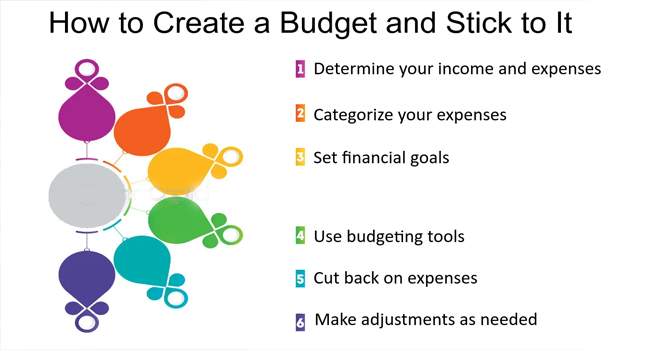
A frugal budget is a roadmap for managing your finances efficiently while aligning with your values and desires. Here’s a way to create a price range that embodies economic standards:
Assess Your Financial Situation:
Begin by evaluating your earnings, fees, belongings, and money owed. Understanding your monetary landscape offers clarity on where changes can be made.
Set Clear Goals:
Define your short-term and long-term financial objectives. Whether constructing an emergency fund, paying off debt, or saving for a selected aim, having clean objectives will guide your budgeting choices.
Track Your Expenses:
Keep a song of each expenditure for a month to pick out spending styles and areas where you could cut back. Utilize apps or spreadsheets to categorize costs and examine where your cash is going.
Differentiate Between Needs and Wants:
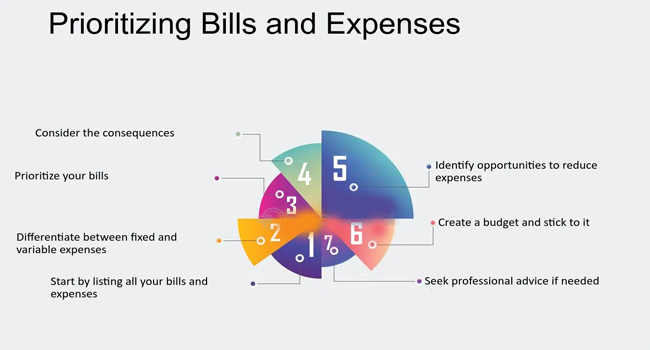
Classify your costs into essential desires (e.g., housing, meals, utilities) and discretionary wants (e.g., dining out, amusement). Prioritize pleasing wishes while minimizing wants.
Establish Spending Limits:
Set sensible limits for every spending category based on your profits and financial goals. Allocate a significant portion of your price range to necessities and savings while limiting discretionary spending.
Embrace Frugal Lifestyle Choices:
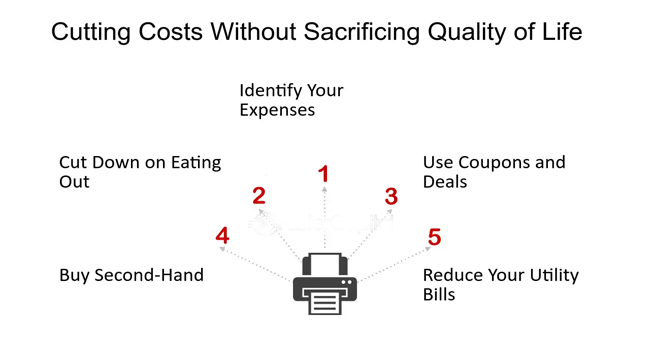
Identify opportunities to lessen fees through frugal practice, meal deal-making plans, thrifting, power conservation, and DIY initiatives. Incorporate these behaviours into your budget to optimize savings.
Plan for Emergencies:
Allocate a part of your price range toward constructing an emergency fund to cover sudden costs or profit disruptions. Aim to keep at least three to 6 months’ living prices.
Review and Adjust Regularly:
Regularly review your budget to music progress towards your desires and make necessary adjustments. Life instances and priorities can also trade, requiring modifications in your budgeting approach.
Practical Tips for Frugal Living:
- Cook at home as opposed to eating out to keep on meal expenses.
- Use public transportation, carpool, or motorcycles instead of public transportation to lessen transportation expenses.
- Shop secondhand or swap objects with pals as a substitute for purchasing new ones.
- Negotiate bills and seek discounts to lower recurring fees.
- Practice strength-saving habits to reduce utility bills.
- Utilize accessible sources of libraries, network activities, and online educational structures.
- DIY family objects, maintenance, and protection to keep on carrier costs.
- Prioritize experiences and significant connections over material possessions.
Seek Out Free Entertainment: Look for totally free or low-fee leisure alternatives in your community, along with parks, museums with loose admission days, network occasions, and out-of-doors sports like hiking or picnicking.
Reduce Subscription Expenses: Evaluate your subscriptions and memberships to determine which are essential. Consider cancelling or sharing subscriptions with buddies or your family to reduce costs while enjoying the advantages.
Practice Mindful Shopping: Avoid impulse purchases by implementing a ready duration earlier than shopping for non-vital objects. Ask yourself if you need the object and if it aligns with your finances and values. Additionally, consider shopping with a listing to stay focused and avoid unnecessary spending.
Utilize Cashback and Rewards Programs: Take advantage of cashback and rewards applications from credit card playing cards or purchasing apps. Be sure to repay credit card balances completely every month to avoid accruing interest and charges, maximizing the advantages of these applications.
Please plan for Major Expenses: Anticipate essential expenses, along with holiday items, holidays, or home repairs, by using budgeting for them for the duration of the 12 months. Set apart a portion of your monthly income to create a committed fund for those prices, lowering the economic stress after they stand up.
Embrace DIY Gift-Giving: Instead of buying high-priced gifts, consider making homemade presents or giving reviews, such as homemade baked goods and handmade crafts, or imparting a while and abilities to assist others. DIY items are now not the handiest store money but add a private e-contact. This is regularly preferred through recipients.
Review and Optimize Insurance Policies: Regularly evaluate your coverage policies, consisting of fitness, car, and home coverage, to make sure you are getting excellent coverage on the most competitive charges. Consider bundling guidelines or adjusting insurance ranges to shop on charges without sacrificing protection.
Practice Delayed Gratification: Delay immediate gratification by suspending purchases and saving up for them. Set financial savings dreams for precise objects or experiences and prioritize them for your finances. This technique no longer facilitates preventing impulse spending but fosters a sense of accomplishment and delight whilst goals are executed.
Leverage Community Resources: Take gain of network sources and services that assist with meals, housing, utilities, and other requirements. Food banks, housing help applications, and software invoice help packages can temporarily alleviate economic trouble.
Continuously Educate Yourself: Stay informed about non-public finance subjects and techniques to improve monetary literacy. Read books, listen to podcasts, attend workshops, or seek advice from financial professionals to amplify your knowledge and make knowledgeable economic selections.
Conclusion:
Frugal residing is an attitude that prioritizes aware spending, resourcefulness, and financial responsibility. By growing a price range aligned with economic concepts, you could optimize your finances, achieve your desires, and live an extra-pleasing life in your own manner. Embrace simplicity, cultivate self-sufficiency, and make intentional choices that help your financial well-being and lengthy-term sustainability. With dedication and area, frugal living can cause extra financial freedom and peace of tho