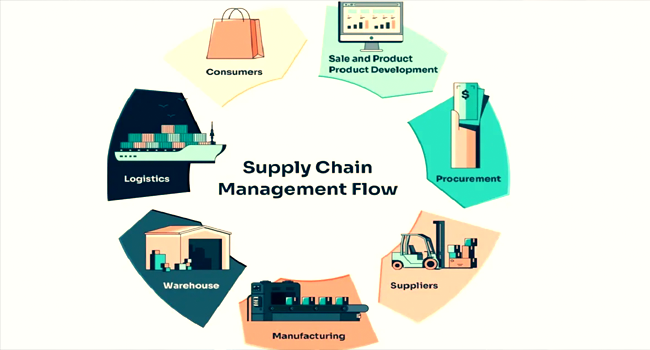
In the ever-evolving retail landscape, brick-and-mortar shops face relentless stress to stay aggressive amidst the speedy rise of e-commerce. One of the pivotal techniques for conventional outlets to not survive but thrive is optimizing expenses across the fee chain. This entails breaking down organizational silos that could stymie efficiency and leveraging modern practices and technology to streamline operations. By fostering a more included and agile environment, stores can decorate, save performance, reduce charges, and deliver superior customer studies.
The Challenge of Silos in Retail
Silos in retail seek advice from the compartmentalization of diverse capabilities, which include procurement, logistics, income, marketing, and customer service. These divisions regularly perform independently with minimum communication or collaboration, leading to inefficiencies, duplicated efforts, and misaligned desires. For instance, marketing campaigns won’t align with inventory ranges, or procurement choices might need to keep in mind sales forecasts, resulting in overstock or stockouts.
Breaking down those silos is essential for attaining subsequent technology shop performance. It calls for a holistic approach that encourages cross-useful collaboration, statistics sharing, and unified strategic dreams.
Integrated Supply Chain Management
A seamless supply chain is the spine of cost optimization. Integrating supply chain control includes synchronizing all activities from procurement to product transport.
1. IoT for Inventory Management: IoT gadgets can offer actual-time statistics on inventory levels, lowering the hazard of overstocking or stockouts. Bright cabinets and RFID tags allow automated merchandise tracking, enhancing inventory accuracy and reducing exertion charges related to manual counts.
2. AI for Demand Forecasting: AI algorithms can analyze historical sales records, market trends, and outside elements like climate or economic conditions to generate correct forecast calls. This ensures that stock tiers are optimized, reducing protecting expenses and minimizing waste from unsold goods.
3. Blockchain for Transparency: Blockchain generation can enhance transparency and traceability inside the supply chain. By presenting a stable and immutable document of transactions, blockchain protects against fraud, ensures product authenticity, and improves accountability among providers.
Enhancing Store Operations
Efficiency inside the store is vital for value optimization. This entails streamlining processes, enhancing hard work productiveness, and leveraging technology to beautify client experiences.
1. Process Automation: Automating repetitive obligations such as restocking shelves, processing returns, or updating price labels can free up the workforce to focus on higher-price activities. Automated checkout systems, self-service kiosks, and mobile payment solutions can lessen wait times and improve customer pride.
2. Workforce Management: Optimizing labour schedules based on height hours and income forecasts can drastically lessen labour expenses. Advanced workforce management systems can predict busy intervals and adjust staffing stages accordingly, ensuring that shops are adequately staffed and understaffed.
3. Customer Engagement Technologies: Implementing augmented reality (AR) and digital reality (VR) technologies can enhance in-store stories. For instance, AR applications can provide customers with particular product facts or digital strive-ons, while VR can create immersive buying stories that attract more foot visitors.
Data-Driven Decision Making
Data is a powerful asset for optimizing expenses and enhancing performance. By leveraging massive data analytics, retailers can gain valuable insights into patron conduct, operational performance, and marketplace developments.
1. Customer Analytics: Understanding purchaser choices and shopping patterns can help outlets customize services and enhance advertising effectiveness. Loyalty programs and customer dating control (CRM) systems can gather information on client interactions, permitting focused promotions and personalized guidelines.
2. Operational Analytics: Analyzing facts from save operations can identify bottlenecks and regions for development. For example, heat maps generated from in-keep cameras can screen excessive traffic areas, helping retailers optimize store layouts and product placements.
3. Predictive Analytics: Predictive analytics can count on future tendencies and capability disruptions. By reading historical records and cutting-edge market situations, outlets can proactively alter their strategies to mitigate risks and capitalize on rising opportunities.
Collaboration and Cross-Functional Teams
Breaking down silos calls for fostering a way of life of collaboration and developing go-useful teams. When exceptional departments work collectively towards unusual dreams, they can obtain greater efficiency and innovation.
1. Cross-functional projects: Initiatives that involve multiple departments can drive holistic enhancements. For instance, an undertaking to decorate the client journey could include marketing, sales, IT, and customer support working together to create a continuing omnichannel enjoyment experience.
2. Communication Platforms: Implementing communique tools like Slack, Microsoft Teams, or challenge control software programs can facilitate higher record sharing and collaboration. These systems can reduce limitations between departments and ensure everybody is aligned with the organization’s goals.
3. Leadership and Training: Leadership performs a crucial role in breaking down silos. Leaders should promote a tradition of collaboration and teach personnel the importance of move-functional teamwork. Workshops, team-building activities, and go-departmental conferences can foster a collaborative environment.
Sustainable Practices
Sustainability is becoming increasingly crucial in retail, both from a regulatory perspective and in response to patron demand. Sustainable practices can also result in price savings and performance gains.
1. Energy Efficiency: Implementing energy-efficient technology, such as LED lights, clever thermostats, and strength control systems, can lessen application charges. Additionally, renewable power sources like solar panels can lower energy prices.
2. Waste Reduction: Reducing waste in the delivery chain and shop operations can lead to vast cost financial savings. Initiatives, including recycling programs, composting, and donating unsold items, can limit waste disposal charges and contribute to the company’s social duty goals.
3. Sustainable Sourcing: Partnering with providers who adhere to sustainable practices can enhance the brand’s reputation and decrease prices related to waste and inefficiencies. Sustainable sourcing includes using environmentally pleasant materials, reducing packaging, and ensuring morally upright practices.
Technology Integration
Integrating advanced technologies into the retail ecosystem is crucial for attaining subsequent-generation efficiency. This consists of leveraging synthetic intelligence, device studying, and robotics to decorate numerous factors of the retail fee chain.
1. AI and Machine Learning: AI and gadget getting to know can optimize pricing techniques, customize marketing efforts, and improve customer support via chatbots and digital assistants. This technology can beautify supply chain management by predicting calls for and optimizing inventory stages.
2. Robotics: Robotics can automate obligations, including inventory control, shelf stocking, and order success. In-save robots can assist clients in finding products, presenting records, and even completing transactions, improving the shopping experience while lowering labour charges.
3. Omnichannel Integration: Ensuring unbroken integration between online and offline channels is vital for meeting consumer expectations and improving operational performance. Unified inventory structures, click-on-and-collect services, and included CRM systems can create a cohesive purchasing experience across all touchpoints.
Conclusion
Breaking down silos and attaining subsequent technology shop performance is a multifaceted venture that requires a holistic technique. Brick-and-mortar retailers can optimize charges across the price chain by integrating delivery chain control, improving store operations, leveraging information-pushed decision-making, fostering collaboration, adopting sustainable practices, and incorporating superior technologies. This improves operational efficiency and complements the client experience, positioning outlets for long-term period achievement in an increasing number of aggressive panorama. As the retail surroundings maintain to conform, those who can efficiently ruin down silos and innovate might be finely located to thrive.