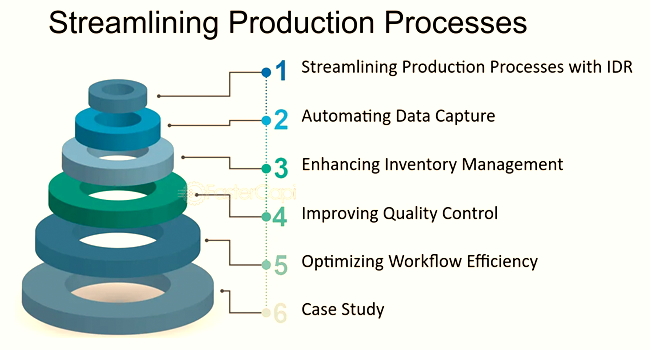
Manufacturing, a vital driving force of the monetary boom, hinges on efficient manufacturing approaches. Streamlining those procedures is critical for decreasing charges, enhancing first-class, and improving ordinary productivity. This guide explores techniques and methodologies producers can undertake to streamline production tactics successfully.
Understanding Production Processes
Production approaches embody all sports worried about transforming uncooked materials into finished products. These activities may be widely labeled into:
Procurement of Raw Materials: Acquiring raw substances and components.

Production Planning: Scheduling and dealing with production runs.
Manufacturing: The fundamental transformation of raw substances into products.
Quality Control: Ensuring the goods meet required standards.
Logistics and Distribution: Handling the movement and storage of completed items.
Each stage has its unique challenges and possibilities for improvement.
Benefits of Streamlining Production Processes
Cost Reduction: Minimizing waste and optimizing applicable resource use leads to extensive price financial savings.
Increased Efficiency: Smoother operations enhance productivity and throughput.
Improved Quality: Consistent methods reduce errors and enhance product excellence.
Faster Time-to-Market: Streamlined methods enable faster manufacturing cycles.
Enhanced Competitiveness: Efficiency profits can translate to competitive pricing and better marketplace positioning.
Critical Strategies for Streamlining Production Processes
1. Implement Lean Manufacturing Principles
Lean Manufacturing specializes in minimizing waste without compromising productivity. Key standards encompass:
Value Stream Mapping (VSM): A visible device to map out all steps in a process, identifying and putting off non-fee-including sports.
5S Methodology: Sort, Set to Shine, Standardize, and Sustain. This method organizes the place of work for efficiency and effectiveness.
Kaizen (Continuous Improvement): Encourages ongoing, incremental employee upgrades.
2. Adopt Just-In-Time (JIT) Production
JIT Production’s goals are to lessen stock fees by producing items handiest as they’re wished. Key additives encompass:
Pull System: Production is driven by using consumer calls rather than forecasts.
Kanban: A scheduling machine that controls the logistical chain from a production point of view.
3. Utilize Six Sigma
Six Sigma makes a specialty of reducing variability and defects in processes. Essential equipment and ideas include:
DMAIC (Define, Measure, Analyze, Improve, Control): A based hassle-fixing system.
Statistical Process Control (SPC): Using statistical strategies to screen and control strategies.
Root Cause Analysis: Identifying the underlying causes of defects or inefficiencies.
4. Embrace Technology and Automation
Automation can substantially decorate efficiency and precision. Critical areas for implementation include:
Robotic Process Automation (RPA): Using software robots to perform habitual duties.
Industrial Internet of Things (IIoT): Connecting machines and devices to acquire and examine facts in actual time.
Computer-Aided Manufacturing (CAM): Using software programs and computer-managed equipment for manufacturing processes.
5. Improve Production Planning and Scheduling
Adequate Production Planning and Scheduling guarantees the most effective use of sources and well-timed completion of tasks. Strategies encompass:
Advanced Planning and Scheduling (APS) Systems: Software gear optimizes scheduling by considering system capability and labor availability constraints.
Master Production Schedule (MPS): A precise plan that states how many products might be produced and when.
6. Enhance Workforce Training and Engagement
A nicely skilled and engaged personnel is essential for streamlining production. Key tasks include:
Regular Training Programs: Ensuring employees are skilled in the latest strategies and technology.
Employee Involvement Programs: Encouraging personnel to contribute ideas for method improvements.
Performance Incentives: Offering rewards for accomplishing performance goals.
7. Optimize Supply Chain Management
Efficient supply chain management guarantees that substances and additives will be available when they are wanted. Key strategies include:
Supplier Relationship Management (SRM): Build sturdy relationships with suppliers to ensure excellent transport time.
Demand Forecasting: Using statistics analytics to expect future demand and alter procurement thus.
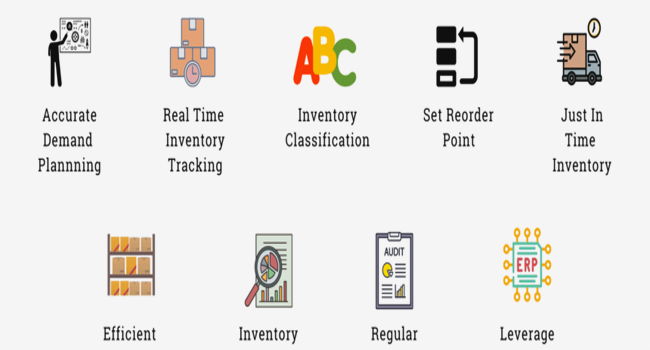
Inventory Management Systems: Implementing systems that tune stock ranges in actual time to keep away from overstocking or stockouts.
8. Implement Total Quality Management (TQM)
Total Quality Management (TQM) specializes in long-term success through client satisfaction. Key elements include:
Customer Focus: Understanding and meeting consumer needs.
Continuous Improvement (Kaizen): Ongoing efforts to improve merchandise, offerings, or techniques.
Employee Involvement: Engaging all personnel in the refined development technique.
9. Leverage Data Analytics
Data Analytics can offer valuable insights into manufacturing tactics. Key applications encompass:
Predictive Maintenance: Using statistics to predict gadget screw-ups earlier than they arise, decreasing downtime.
Process Optimization: Analyzing records to identify bottlenecks and inefficiencies.
Performance Metrics: Tracking critical overall performance signs (KPIs) to display and enhance procedure performance.
10. Foster a Culture of Innovation
Encouraging a Culture of Innovation guarantees continuous improvement and version. Key actions include:
Innovation Labs: Creating devoted spaces for experimenting with new ideas and technologies.
Cross-Functional Teams: Encouraging collaboration among one-of-a-kind departments to foster innovative answers.
Leadership Support: Ensuring management actively supports and promotes innovation initiatives.
Case Studies: Successful Implementation of Streamlining Strategies
Case Study 1: Toyota Motor Corporation
Toyota is famous for implementing Lean Manufacturing and the Toyota Production System (TPS). Fundamental elements consist of:
Just-In-Time (JIT): Reducing inventory prices and enhancing efficiency.
Kaizen: Continuous improvement involving all personnel.
Jidoka (Automation with a Human Touch): Stop manufacturing while an illness is detected to prevent faulty products from being made.
The outcomes have been staggering, with Toyota consistently ranking the top worldwide automakers in terms of best and efficiency.
Case Study 2: General Electric (GE)
GE adopted Six Sigma to streamline its manufacturing methods. Key projects protected:
DMAIC Projects: Implementing dependent problem-solving processes throughout numerous divisions.
Training Programs: Certifying hundreds of employees as Six Sigma Black Belts and Green Belts.
Data-Driven Decision Making: Using statistical tools to improve manner and performance.
GE mentioned tremendous cost financial savings and first-rate enhancements due to those tasks.
Case Study Three: Siemens
Siemens leveraged Digitalization and Automation to decorate its production procedures. Key strategies covered:
Digital Twin Technology: Creating digital fashions of merchandise and production techniques to optimize overall performance.
IIoT Implementation: Connecting equipment and devices to gather real-time information for analysis.
Advanced Robotics: Using robots for precision responsibilities and to increase manufacturing pace.
This technology has enabled Siemens to reduce manufacturing fees and time while maintaining excessively high quality.
Challenges and Solutions in Streamlining Production Processes
Challenge 1: Resistance to Change
Solution: Implement trade control strategies, which include clear conversation, schooling packages, and concerning personnel in a changing manner.
Challenge 2: High Initial Costs
Solution: Focus on lengthy-term ROI and start with small, high-effect tasks. Seek authority grants or incentives for adopting new technology.
Challenge 3: Integration of New Technologies
Solution: Work with generation companions and professionals to ensure easy integration. Conduct pilot checks before complete-scale implementation.
Challenge 4: Maintaining Quality
Solution: Implement sturdy, extraordinary, and manipulative measures and ordinary audits. Use Six Sigma and TQM methodologies to constantly reveal and enhance quality.
Challenge 5: Supply Chain Disruptions
Solution: Diversify providers and construct robust relationships. Implement chain threat management strategies and keep a buffer inventory for critical components.
Conclusion
Streamlining production procedures is essential for manufacturers aiming to remain aggressive in a swiftly evolving marketplace. By adopting strategies that include Lean Manufacturing, Just-In-Time Production, Six Sigma, and leveraging technology, producers can acquire extensive upgrades in efficiency, price discounts, and product excellence. However, a hit implementation requires a holistic approach, addressing demanding situations, including resistance to exchange and integration of new technologies.