Introduction
Safety protocols in business production are critical for ensuring the well-being of employees, defensive gadgegadgetsd maintaining green production procedures. These protocols encompass many practices, regulations, and technologies to prevent accidents and reduce risks. This record outlines key safety protocols below diverse categories, emphasizing their significance and implementation in commercial settings.
Personal Protective Equipment (PPE)
Importance of PPE

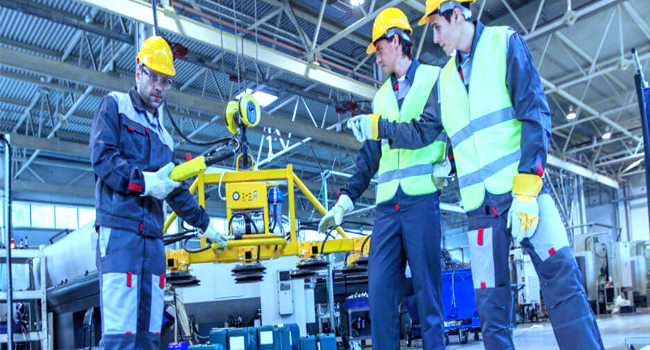
Personal Protective Equipment (PPE) protects employees from capacity hazards inside the production environment. PPE consists of helmets, gloves, goggles, and protective footwear, which provide a barrier between the worker and the risky environment.
Types of PPE
Head Protection: Hard hats shield employees from head accidents due to falling items.
Eye and Face Protection: Safety goggles and face shields save you from accidents caused by flying particles and chemical splashes.
Hearing Protection: Earplugs and earmuffs protect towards listening to harm from loud machinery.
Hand Protection: Gloves defend fingers from cuts, abrasions, and chemical burns.
Foot Protection: Safety shoes with metallic feet prevent injuries from heavy gadgets.
Machine Safety
Machine Guarding
Machine guarding includes using bodily boundaries to shield employees from moving components, flying particles, and sparks. Proper guarding is essential to machine safety, stopping accidental contact and injuries.
Lockout/Tagout Procedures
Lockout/tagout (LOTO) strategies are essential for ensuring that machines are shut off and unable to restart before maintenance or repair work starts. These tactics involve separating the electricity resources and attaching lockout or tagout gadgets to prevent unintended machine activation.
Hazardous Materials Handling
Identification and Labeling
Proper identification and labeling of dangerous materials are vital for safe handling. Labels must virtually imply risk, potential dangers, and necessary precautions.
Storage and Disposal
Safe garages and the disposal of dangerous materials are essential to prevent accidents and environmental contamination. Materials should be saved in suitable containers, segregated according to their homes, and disposed of according to regulatory guidelines.
Fire Safety
Fire Prevention
Fire prevention in industrial settings involves:
- Figuring out capacity fire dangers.
- Preserving clean workspaces.
- Ensuring proper garage of flammable materials.
Firefighting Equipment
The availability and proper preservation of firefighting equipment, including hearth extinguishers, hoses, and sprinkler structures, are essential. Workers ought to learn to use these gadgets and be aware of emergency techniques in case of a hearth.
Ergonomics
Workstation Design
Ergonomics specializes in designing workstations that promote proper posture and decrease strain on workers’ bodies. Adjustable chairs, adequate lighting, and equipment placed within easy reach help minimize ergonomic injuries.
Repetitive Motion Injuries
Preventing repetitive movement accidents includes rotating tasks, taking daily breaks, and using tools designed to lessen strain. Implementing ergonomic assessments can identify capability problems and provide answers.
Training and Education
Safety Training Programs
Regular safety schooling programs train people to recognize hazards, use PPE, and follow safety procedures. These packages must be obligatory for all employees and frequently updated to reflect new safety standards and practices.
Emergency Response Training
Emergency reaction training prepares employees to act quickly and efficaciously in case of accidents, fires, or other emergencies. This education includes evacuation strategies, first aid, and using emergency systems.
Safety Audits and Inspections
Regular Inspections
Conducting ordinary safety inspections allows one to perceive capacity hazards and ensure compliance with safety regulations. Inspections need to cover all factors of the place of work, including equipment, garage regions, and workstations.
Audit Processes
Safety audits involve a complete overview of protection protocols and practices. They determine the effectiveness of protection measures, identify areas for improvement, and ensure that protection standards are maintained.
Reporting and Documentation
Incident Reporting
Prompt reporting of incidents, close-to-misses, and risky conditions is critical for addressing risks and stopping destiny injuries. A robust reporting machine encourages employees to file without fear of retribution.
Record Keeping
Maintaining accurate records of protection incidents, inspections, and training programs enables song safety performance and compliance. These records are precious for identifying tendencies and making informed decisions about protection upgrades.
Regulatory Compliance
Understanding Regulations
Compliance with protection policies set with the aid of governmental bodies, which include OSHA (Occupational Safety and Health Administration) inside the United States, is obligatory. These guidelines provide tips for preserving secure running situations and shielding workers’ fitness.
Implementation and Monitoring
Implementing and monitoring compliance with safety policies involves regular training, audits, and updates to safety protocols. Ensuring employees understand and adhere to regulations is essential for a secure working environment.
Hazard Identification
Identifying capability dangers includes assessing all manufacturing process elements, from equipment to chemical substances. This proactive technique facilitates enforcing measures to mitigate hazards before injuries occur.
Risk Assessment
Risk assessment includes comparing the likelihood and severity of potential dangers. This process helps prioritize protection measures and allocate resources effectively to deal with tremendous dangers.
Safety Culture
Promoting a Safety Culture
Creating a lifestyle of protection involves fostering surroundings in which safety is a shared obligation. Encouraging open communication, rewarding safe behaviour, and involving employees in safety choices contribute to a robust safety tradition.
Leadership and Commitment
Leadership performs a vital role in promoting protection. Management commitment to safety, confirmed through regulations, actions, and aid allocation, sets the tone for the whole business enterprise.
Technological Advances
Automation and Robotics
Automation and robotics can considerably enhance protection by reducing human exposure to risky obligations. Implementing these technologies requires cautious plans to ensure they supplement existing safety measures.
Safety Monitoring Systems
Advanced safety tracking structures, sensors, and alarms help discover ability risks in actual time. These systems can alert employees and control them the instantaneous movement to avoid accidents.
Health and Wellness Programs
Physical Health Initiatives
Industrial production may be physically disturbing, underscoring the significance of fitness and wellness applications. Providing everyday health check-ups, encouraging bodily workouts, and supplying wellness facilities can help maintain workers’ physical health and decrease the hazard of labour-related ailments.
Mental Health Support
Offering mental fitness resources, counselling offerings, strain management applications, and selling existence balance can help employees control strain and enhance average well-being.
Environmental Safety
Air Quality Management
Managing air first-class is vital in manufacturing environments to prevent respiration problems and health troubles. This includes using proper ventilation systems, dirt creditors, and often tracking air high-quality to ensure it meets protection standards.
Noise Control
Excessive noise can lead to listening loss and strain among employees. Implementing noise management measures, soundproofing, regular maintenance of machinery to reduce noise, and listening to safety are essential steps in noise control.
Conclusion
Safety protocols in industrial manufacturing are multifaceted and require a complete approach to be effective. Each element is critical in maintaining secure working surroundings, from PPE and system safety to training and technological advances. By prioritizing safety and fostering a tradition that values it, business producers can protect their employees, lessen risks, and enhance ordinary productivity.