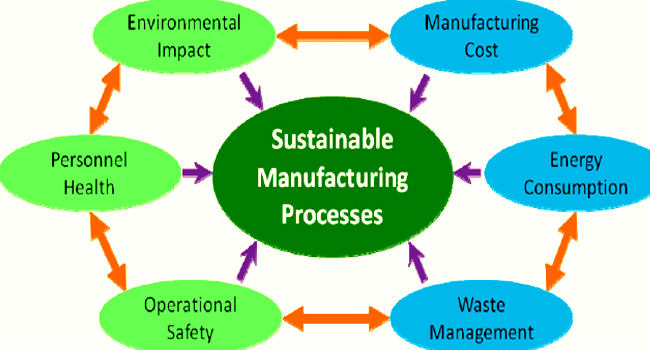
Sustainable production means creating manufactured products through economically sound methods that minimize terrible environmental impacts while retaining power and natural assets. It encompasses the whole product lifecycle, from extracting uncooked substances to product layout, production, and disposal.
Importance of Sustainable Manufacturing
Environmental Impact
Traditional production methods frequently cause extensive environmental degradation, including air and water pollutants, waste generation, and aid depletion. Sustainable production objectives are to lessen these influences by enforcing eco-friendly practices.

Economic Benefits
Sustainable production can lead to financial savings through efficient, applicable resource use, waste reduction, and stepped-forward strength efficiency. It also opens new marketplace opportunities for green merchandise attractive to environmentally aware consumers.
Social Responsibility
Manufacturers adopting sustainable practices contribute to the well-being of their groups and people by decreasing harmful emissions and ensuring safer working conditions. This enhances the corporation’s recognition and builds consumer acceptance as accurate with.
Fundamental Principles of Sustainable Manufacturing
Reduce, Reuse, Recycle
The 3 Rs—reduce, reuse, and recycle—form the cornerstone of sustainable production. Reducing waste, reusing substances and additives, and recycling end-of-life products help minimize environmental effects and resource consumption.
Energy Efficiency
Improving power efficiency is vital in decreasing the carbon footprint of production processes. This may be achieved by using electricity-efficient machinery, optimizing production methods, and adopting renewable energy sources.
Waste Management
Effective waste control involves minimizing waste technology and ensuring that any waste produced is treated in an environmentally accountable way. This consists of recycling scrap materials and adequately disposing of unsafe materials.
Sustainable Supply Chain
Ensuring sustainability across the supply chain is crucial. This includes responsibly sourcing raw substances, ensuring suppliers adhere to environmental and social requirements, and optimizing logistics to reduce emissions.
Eco-Friendly Solutions in Manufacturing
Green Design
Green layout entails creating products with minimal environmental impact at some stage in their lifecycle. This consists of using sustainable materials, designing for disassembly, and ensuring products are energy efficient.
Sustainable Materials
Using sustainable materials, such as recycled metals, bioplastics, and sustainably sourced wood, reduces the environmental impact of manufacturing. These substances frequently have lower carbon footprints and can be recycled at the end of their lives.
Clean Production Technologies
Adopting accessible manufacturing technology can considerably lessen pollutants and waste. This consists of techniques such as cleaner manufacturing, which focuses on stopping pollution at the supply, and green chemistry, which aims to design chemical merchandise and methods that lessen or eliminate dangerous materials.
Renewable Energy Integration
Integrating renewable energy assets, including solar, wind, and hydroelectric electricity, into manufacturing approaches can considerably lessen greenhouse gas emissions. This shift, now not the most effective, helps reach strength efficiency; however, it also guarantees an extra sustainable and reliable energy delivery.
Smart Manufacturing
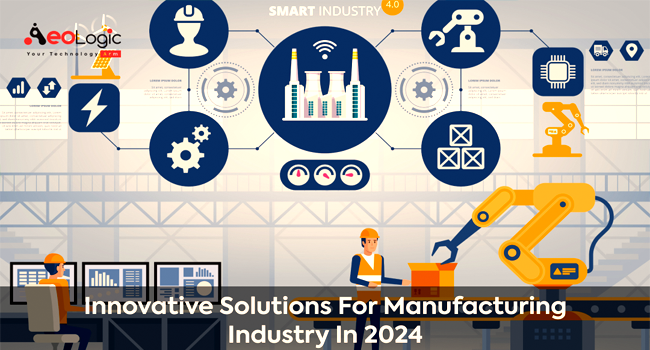
Smart manufacturing leverages superior technologies like the Internet of Things (IoT), synthetic intelligence (AI), and extensive statistics analytics to optimize manufacturing procedures. This technology can improve efficiency, lessen waste, and lower energy consumption.
Internet of Things (IoT)
IoT enables real-time tracking and management of production approaches. Sensors and connected gadgets gather data that can be analyzed to optimize operations, anticipate upkeep needs, and decrease downtime.
Artificial Intelligence (AI)
AI can improve decision-making procedures in manufacturing by predicting demand, optimizing supply chains, and enhancing quality control. Machine learning algorithms can analyze enormous quantities of data to perceive patterns and make suggestions.
Circular Economy
The round financial system model promotes the chronic use of resources by creating closed-loop structures in which merchandise and materials are reused, refurbished, or recycled. This contrasts with the traditional linear economy, which follows a take-make-dispose sample.
Product Life Extension
Extending merchandise life through protection, repair, and refurbishment reduces the need for brand-new materials and waste. This can be completed by designing clean merchandise that can be disassembled and repaired.
Industrial Symbiosis
Industrial symbiosis includes changing materials and strength, with merchandise aid among exclusive industries. One industry’s waste becomes another’s uncooked cloth, decreasing overall aid intake and waste generation.
Case Studies in Sustainable Manufacturing
Tesla, Inc.
Tesla is renowned for its sustainable production practices. The agency uses renewable energy in its Gigafactories and focuses on producing electric cars that have decreased lifetime carbon emissions compared to conventional internal combustion engine motors. Tesla additionally emphasizes recycling battery additives to reduce waste.
Interface, Inc.
Interface, an international leader in business floors, has implemented several sustainable manufacturing practices. Through its Mission Zero initiative, the business aims to acquire a 0 environmental footprint by 2020. Interface uses recycled materials in its merchandise and has decreased its greenhouse gas emissions by using renewable energy and enhancing power efficiency.
Unilever
Unilever, a multinational purchaser goods business enterprise, has incorporated sustainability into its enterprise version through the Unilever Sustainable Living Plan. This plan specializes in reducing the environmental impact of its merchandise, sourcing uncooked materials sustainably, and improving the livelihoods of humans across its value chain. Unilever has performed enormous discounts on waste, water utilization, and greenhouse gasoline emissions.
Challenges and Solutions
High Initial Costs
Implementing sustainable production practices frequently requires extensive upfront investment in new technology and infrastructure. However, the lengthy-term benefits and cost savings from improved efficiency and decreased waste can offset these preliminary expenses.
Financial Incentives
Governments and companies can offer economic incentives, such as presents, tax credits, and subsidies, to encourage manufacturers to adopt sustainable practices. These incentives can mitigate the high preliminary fees and make sustainability more accessible.
Technological Barriers
Transitioning to sustainable manufacturing may additionally involve overcoming technological barriers, such as the availability of eco-friendly substances and advanced manufacturing technologies. Continuous research and improvement are crucial to dealing with those demanding situations.
Research and Development
Investing in research and improvement can stimulate innovation in sustainable production. Collaborations among industry, academia, and authorities can boost the improvement and adoption of the latest technology and substances.
Supply Chain Complexity
Ensuring sustainability throughout complex worldwide supply chains can be challenging. Manufacturers must collaborate with suppliers and companions to ensure sustainable practices occur at every stage.
Supplier Engagement
Engaging providers through partnerships and collaborations can promote sustainable practices throughout the supply chain. Setting clean sustainability standards and offering support can help providers meet these requirements.
Conclusion
Sustainable production practices are essential for mitigating industrial sports’ environmental effects and ensuring long-term sustainability. By adopting green answers, which include inexperienced design, clean production technology, renewable power integration, and clever manufacturing, producers can reduce their carbon footprint, improve performance, and contribute to an extra sustainable destiny. Overcoming demanding situations consisting of high initial charges and technological boundaries calls for continuous innovation, monetary aid, and collaboration across the supply chain. As customer demand for sustainable merchandise grows, corporations prioritizing sustainability may be well-positioned to thrive in the evolving market panorama.