Introduction
Human Resources (HR) management in retail is pivotal in ensuring that the proper human beings are hired, skilled successfully, and retained for long-term fulfillment. This comprehensive guide explores essential techniques and excellent practices in managing expertise inside the retail quarter.
1. Hiring Strategies in Retail
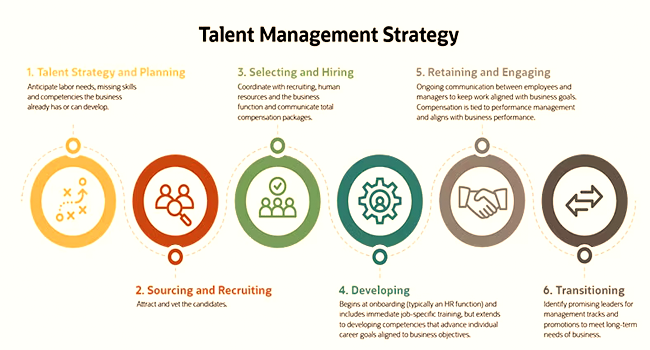
Effective hiring in retail entails numerous strategic steps to ensure that the proper individuals are chosen for the job.
Related Post


Recruitment Channels: Utilizing diverse recruitment channels, process portals, social media, and industry networks.
Job Descriptions: Crafting clear and unique job descriptions that define roles, responsibilities, and required talents.
Screening Process: Implement rigorous screening techniques, which include interviews, assessments, and background assessments.
2. Training Programs for Retail Employees
Training applications are crucial for equipping retail personnel with the abilities and knowledge to perform their roles efficiently.
Onboarding Process: Structured onboarding approaches to introduce new hires to employer lifestyle, policies, and methods.
Product Knowledge: Providing complete product information education to enhance customer support and sales effectiveness.
Customer Service Skills: Developing customer service skills through position gambling, simulations, and real-life scenarios.
3. Retention Strategies in Retail
Employee retention is critical in decreasing turnover and maintaining a motivated team of workers within the aggressive retail enterprise.
Recognition and Rewards: Implementing reputation programs and rewards for terrific overall performance and milestones.
Career Development: Offering possibilities for professional development and talent improvement via education and mentorship programs.
Workplace Culture: Fostering an acceptable administrative center way of life that promotes worker engagement, delight, and loyalty.
4. Challenges in HR Management in Retail
Despite its significance, retail HR management faces several challenges that must be addressed for effective expertise management.
High Turnover Rates: Strategies to reduce turnover prices through improved hiring practices and employee engagement.
Seasonal Employment: Managing seasonal fluctuations in staffing necessities and maintaining consistency in carrier high-quality.
Compliance and Regulations: Staying compliant with exertions laws and guidelines governing the retail sector.
5. Technology and Innovation in HR
The position of generation and innovation in transforming HR practices within the retail enterprise.
HR Software: Utilizing HR software for recruitment, schooling control, and overall performance monitoring.
Data Analytics: Leveraging information analytics for employee performance, engagement, and retention insights.
Remote Work and Flexibility: Adopting flexible work arrangements and remote painting policies to draw and hold talent.
6. Case Studies and Best Practices
Examples of successful HR strategies and exceptional practices followed by main outlets.
Company A: Implementing a complete onboarding program that reduced turnover by 20%.
Company B: Using facts analytics to enhance scheduling and optimize staffing tiers throughout peak hours.
Company C: Developing a mentorship software that is more advantageous to professional development and promotes internal mobility.
7. Diversity and Inclusion in Retail HR
The significance of fostering variety and inclusion within retail HR practices.
Diverse Hiring Practices: Implementing inclusive recruitment strategies to attract numerous applicants.
Training on Diversity: Providing schooling on cultural competence and subconscious bias ensures an inclusive workplace.
Employee Resource Groups: Establishing employee aid companies to help various groups sell inclusion.
8. Employee Engagement and Motivation
Strategies to beautify worker engagement and motivation in retail settings.
Feedback Mechanisms: Implementing ordinary feedback mechanisms to recognize worker needs and concerns.
Team Building Activities: Organizing team-constructing activities and events to foster camaraderie and teamwork.
Career Pathing: Offering clean career pathing opportunities to inspire long-term dedication and motivation.
9. Leadership Development
The role of management improvement programs in nurturing future leaders within the retail staff.
Management Training: Providing training packages for retail managers on leadership abilities and powerful crew management.
Succession Planning: Develop succession plans to ensure continuity in leadership roles and promote inner talent.
Coaching and Mentorship: Offering coaching and mentorship applications to aid management development in any respect ranges.
10. Legal and Ethical Considerations
We are navigating felony and ethical concerns in HR management within the retail sector.
Labor Laws: Ensuring compliance with complex work laws, salary rules, and workplace safety requirements.
Ethical Recruitment Practices: Adopting fair and moral recruitment practices to avoid discrimination and promote equality.
Privacy and Data Protection: Safeguard worker information and ensure compliance with facts and protection guidelines.
11. Future Trends in Retail HR
Artificial Intelligence (AI): Utilizing AI for predictive analytics in a team of workers planning and talent management.
Remote Work: Adapting to far-flung painting traits and hybrid work fashions to accommodate changing worker preferences.
Skills-Based Hiring: Shifting toward skills-based hiring practices to assess candidates based on competencies instead of traditional qualifications.
12. Crisis Management and Resilience
Strategies for coping with crises and constructing resilience in the retail workforce.
Emergency Response Plans: Developing and implementing emergency reaction plans to ensure employee safety during crises, including natural screw-ups or pandemics.
Communication Protocols: Establish clean verbal exchange protocols to keep personnel knowledgeable and engaged at some point in uncertain instances.
Psychological Support: Providing mental help and resources to assist employees with strain and anxiety during problematic durations.
13. Sustainability Initiatives
The function of HR in selling sustainability and company social duty (CSR) within retail organizations.
Green Practices: Introducing green practices in HR operations, consisting of paperless recruitment approaches and power-efficient administrative center tasks.
Community Engagement: Engaging personnel in volunteer programs and community outreach sports to support neighborhood groups and enhance the company’s reputation.
Ethical Sourcing: Collaborating with suppliers to ensure moral sourcing practices and sustainability during the supply chain.
14. Employee Well-being and Work-Life Balance
Strategies to support employee well-being and promote work-existence balance within the retail sector.
Flexible Work Arrangements: We offer flexible scheduling alternatives and remote work possibilities to accommodate personal wishes and improve painting-life stability.
Wellness Programs: Implementing applications targeting bodily health, mental well-being, and stress control.
Family-Friendly Policies: Providing blessings such as parental leave, childcare help, and eldercare help to help employees balance work and family duties.
15. Continuous Improvement and Feedback Loops
The significance of continuous improvement and comments mechanisms in enhancing HR practices in retail.
Performance Reviews: Conduct daily performance reviews and comment sessions every day to evaluate worker development and improvement needs.
Employee Surveys: Administering worker delight surveys to acquire comments on HR rules, packages, and overall place of work subculture.
Continuous Learning: Promoting a subculture of continuous studying via education, upskilling, and professional development possibilities.
16. Globalization and Cultural Diversity
We are navigating globalization and cultural diversity challenges in HR management throughout international retail operations.
Cross-Cultural Training: Providing pass-cultural schooling applications to promote know-how and admiration among numerous teams.
Localization Strategies: Adapting HR guidelines and practices to local cultural norms, felony necessities, and enterprise environments in worldwide markets.
Global Mobility: Managing worldwide mobility applications to facilitate worldwide assignments and professional possibilities for personnel throughout one-of-a-kind regions.
Conclusion
Effective HR control in retail includes strategic hiring, robust training packages, and proactive retention techniques to construct a skilled and encouraged team of workers. Shops can attain sustainable growth and an aggressive advantage in the dynamic retail landscape by investing in talent control.